
Copper is having its biggest moment in British homes since the Victorian era — and this time, it’s not going anywhere.
Walk into any design-forward home in London right now and you’ll spot it: the warm amber gleam catching afternoon light from a kitchen shelf, a hammered basin anchoring a boutique-style bathroom, a pendant light casting that unmistakable burnt-orange glow above a dining table. Copper isn’t just trending — it’s becoming a permanent fixture in how we think about beautiful, functional homes.
This guide covers every copper household item worth knowing about, why this metal outperforms the rest, what’s actually trending in 2026, and exactly where to find the best pieces in the UK. Whether you’re overhauling your kitchen or hunting for that one statement piece, you’re in the right place.

Why Copper Is the UK’s Most Loved Metal Right Now
Interior designers have been clear about 2026: cool, clinical finishes like chrome and brushed nickel are stepping aside. Warm metals are taking centre stage — and copper is leading the charge. Here’s why it resonates so deeply with British homeowners.
It has genuine antimicrobial superpowers. This isn’t wellness-trend hype — it’s science. Copper is biostatic, meaning bacteria cannot grow freely on its surface. Research confirms copper neutralises up to 99.9% of harmful bacteria within hours. In kitchens and bathrooms where hygiene matters most, that’s a functional advantage no other decorative metal can match.
It makes you a better cook. Professional kitchens have relied on copper for centuries for one simple reason: it conducts heat faster and more evenly than cast iron, stainless steel, or aluminium. The result is precise, responsive temperature control — essential for delicate sauces, sugar work, and confectionery where a few degrees makes all the difference.
It looks exceptional in every interior style. Copper is that rare material that feels simultaneously modern and timeless. It works in a sleek Shoreditch flat, a Cotswolds farmhouse, a mid-century living room, and a maximalist Notting Hill townhouse. The key, as designers consistently advise, is balance — copper as a considered accent rather than an overwhelming theme.
It’s the sustainable choice. For environmentally conscious shoppers — an increasingly significant slice of the UK market — copper ticks every box. It’s infinitely recyclable without any loss of quality, and well-made copper pieces last decades, sometimes generations, making them genuinely low-waste compared to cheaply made alternatives destined for landfill within a few years.
It gets more beautiful over time. Unlike silver that tarnishes disappointingly or stainless steel that dulls and scratches, copper develops a patina — a rich, living finish unique to each piece. Many homeowners now actively seek pre-patinated copper precisely for this quality.
Kitchen Copper: Where Tradition Meets the 2026 Aesthetic
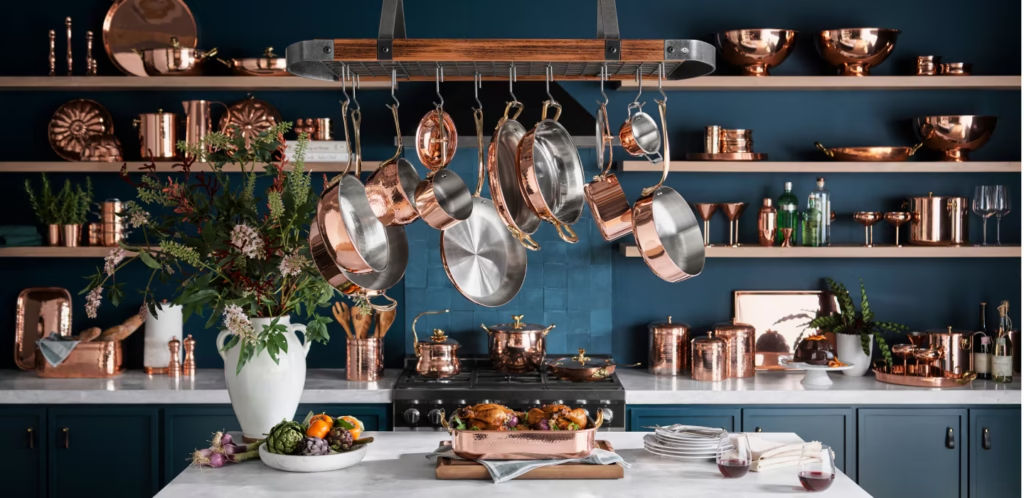
The kitchen is where copper truly earns its place. In 2026, the trend has moved beyond a decorative mixing bowl on a shelf — designers are integrating copper into surfaces, splashbacks, and hardware for a fully considered look.
Copper Cookware That Performs as Beautifully as It Looks
Copper Saucepans & Frying Pans
The crown jewel of any serious kitchen. French copper pans — widely available across the UK through specialist retailers — feature either traditional tin linings or modern stainless steel interiors. Both are food-safe; stainless steel offers greater durability and slightly easier care.
What you get is extraordinary cooking performance: faster heat-up times, instant response when you adjust the temperature, and exceptionally even heat distribution that eliminates hot spots. For making beurre blanc, tempering chocolate, or cooking sugar into caramel, there is no better tool.
UK price guide: Entry-level copper pans from around £80; professional-grade pieces from Mauviel or de Buyer typically run £150–£500, available through Sous Chef, Borough Kitchen, and premium department stores.
Copper Mixing Bowls
The unlined copper beating bowl is one of cooking’s great scientific curiosities. Copper ions interact with proteins in egg whites, creating a more stable foam that’s less likely to over-whip or collapse — the result is taller, more voluminous meringues and soufflés with noticeably better texture.
Beyond the performance advantage, a large copper bowl displayed on an open shelf or kitchen island is simply one of the most beautiful objects a kitchen can hold. Sizes range from compact 20cm bowls for individual portions up to generous 40cm versions for entertaining.
Copper Bakeware & Moulds
Traditional British copper jelly moulds, bundt pans, and tart tins are experiencing a genuine revival — partly fuelled by the baking programmes dominating British television, partly because they’re simply gorgeous. Even heat distribution delivers beautifully browned, consistent results, and antique moulds hung on a kitchen wall function as art as much as equipment.
Kettles, Teapots & the Great British Ritual
The copper kettle is woven into British domestic mythology. Stovetop versions heat water quickly — copper’s conductivity means significantly faster boiling times — and the tactile satisfaction of using a well-made copper kettle is genuinely pleasurable in a way a plastic electric version simply isn’t.
Copper teapots, typically lined with food-safe stainless steel interiors, are also worth serious consideration. They retain heat beautifully, keeping your brew at optimal temperature far longer than ceramic alternatives. Many designs draw on Turkish and Moroccan craftsmanship traditions, reflecting the UK’s rich multicultural influences on home and table culture.
Price range: Stovetop kettles from £40 to £200 for artisan pieces; teapots from £35 upwards.
Surfaces, Splashbacks & Hardware: The 2026 Integration
The most exciting development in copper kitchen design for 2026 is integration rather than mere accessorising. Interior designers are specifying copper as a splashback material — hammered sheets that catch and scatter light in a way tiles simply cannot replicate. Copper countertop sections are another emerging choice, particularly as prep area accents alongside stone or wood.
Even smaller hardware upgrades make a striking impact. Copper cabinet handles, drawer pulls, and tap fittings transform the entire feel of a kitchen without requiring a full renovation — and they’re the most affordable entry point into copper kitchen design.
Serving, Storage & Display
Copper utensils — ladles, serving spoons, skimmers — hung from a ceiling rack or displayed on a magnetic strip look spectacular whilst remaining completely functional. Copper canisters for tea, coffee, and dry goods protect contents whilst looking beautiful on open shelving. Hammered copper trays serve drinks, display cheese boards, or organise items on a side table with the kind of effortless elegance that’s impossible to fake.
Bathroom Copper: The Luxury Upgrade That Changes Everything
The bathroom has become the most aspirational room in the British home — and copper is central to that transformation. Where once it was purely functional, UK homeowners are now investing in statement pieces that bring genuine warmth to what can otherwise feel like a clinical space.
Copper Bathtubs: The Ultimate Statement
A freestanding copper bathtub is genuinely one of the most spectacular things you can put in a home. Beyond the extraordinary visual impact, the practical advantages are real: copper retains heat longer than standard steel or acrylic tubs, meaning your bath stays warm without repeatedly topping up hot water — particularly welcome during British winters.
Investment required: Quality copper baths typically start from £2,000, with bespoke or heavily hand-hammered pieces considerably higher. This is a serious purchase — but one that adds genuine property value and will likely outlast the house itself.
Copper Basins & Sinks
Hammered copper basins are the accessible luxury option for bathrooms and cloakrooms. No two are identical — the hammering process ensures each basin has a completely unique surface texture, meaning you’re getting something genuinely one-of-a-kind rather than a mass-produced unit.
They’re also functionally superior. The antimicrobial properties of copper make these sinks considerably more hygienic than ceramic alternatives — a meaningful advantage in a room where that matters. They pair beautifully with brass taps, exposed brickwork, or white marble depending on the wider scheme.
Price range: £150 for smaller cloakroom basins up to £600+ for larger, heavily worked pieces.
Copper Bathroom Accessories
Cohesive copper accessory sets — towel rails, robe hooks, toilet roll holders, soap dishes — immediately elevate a bathroom from functional to considered. The antimicrobial surface is a genuine advantage in a high-traffic bathroom, and the warm tone counters the cold, clinical feeling that can come from predominantly white or grey schemes.
Design tip for 2026: Pair copper accessories with marble soap dispensers and green trailing plants. It’s one of this year’s most sought-after bathroom looks — warm, natural, and endlessly photographable.
Living Room, Bedroom & Home Office Copper
Copper Lighting: The Standout Trend of 2026
If there’s one copper purchase to prioritise this year, it’s lighting. Copper pendant lights above kitchen islands and dining tables, copper table lamps in living rooms and bedrooms, copper wall sconces in hallways — the warm, reflective surface of copper transforms the quality of light in a room in a way no other fitting material quite matches.
Interior designers specifically note copper’s versatility: it works in industrial, farmhouse, modern, and bohemian schemes with equal success. A single copper pendant can anchor a room as its focal point, with smaller copper accents — vases, hardware, a single decorative object — quietly reinforcing the theme without overwhelming.
Price range: Simple copper pendant shades from £30; designer or artisan pieces from £150–£500.
Mirrors, Frames & Decorative Objects
A copper-framed mirror above a fireplace or in a hallway is a classic British interior choice — one that earns its place by catching and redistributing natural light, making rooms feel larger and brighter. This matters particularly in older British homes where rooms can run darker than ideal.
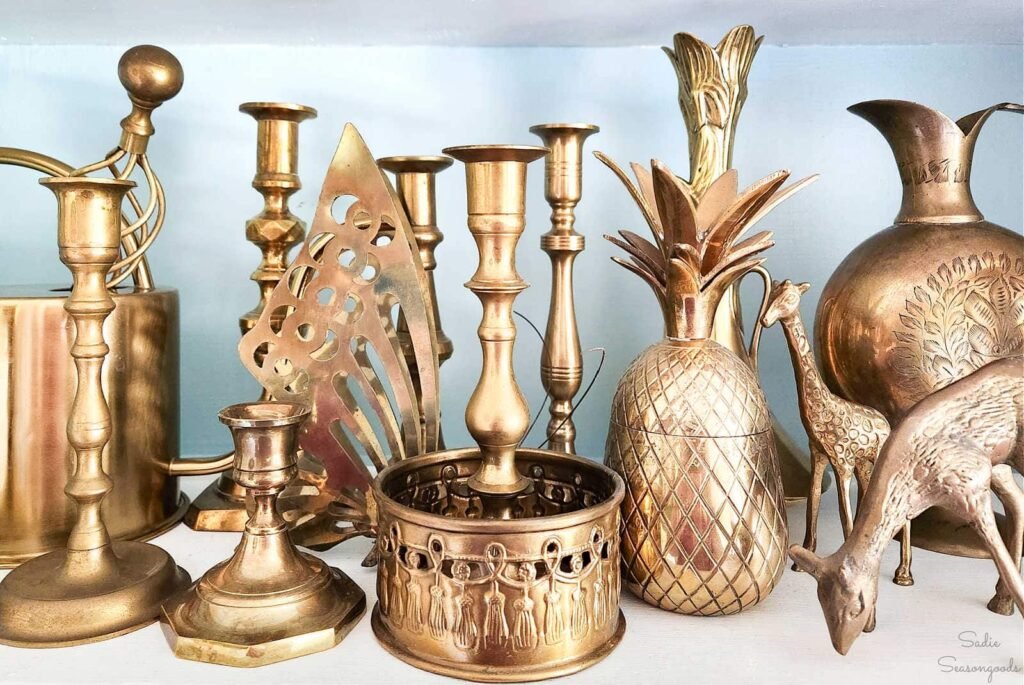
Copper picture frames add warmth to gallery walls in a way that black or silver frames simply cannot. Copper candle holders create an exceptional atmosphere during autumn and winter evenings — the candlelight and the metal work together to produce a quality of glow that’s genuinely different from any other material combination.
Copper Vases & Planters
Plant lovers have discovered that copper planters are perhaps the most natural pairing in home decor — the warm burnt-orange of copper against lush green foliage creates a contrast that’s both visually striking and strangely harmonious. Copper vases develop a unique patina over time that no two pieces share, ensuring your home always has something truly individual in it
Garden & Outdoor Copper: Beauty That Weathers Brilliantly
Copper’s natural resistance to corrosion makes it an ideal outdoor material for the British climate. Rather than deteriorating with exposure to rain and wind, it develops verdigris — that characteristic green patina that many gardeners and designers consider copper’s most beautiful form.
Traditional copper watering cans remain beloved by serious British gardeners — as much for how they look propped against a potting bench as for their practicality. Copper hand trowels, dibbers, and plant markers develop beautiful character as they age, becoming garden features in their own right. They’re infinitely more charming than plastic alternatives and will last indefinitely outdoors.
Caring for Your Copper: Keep It Beautiful for Decades
The longevity of copper depends on straightforward but consistent care.
Everyday cleaning: Warm soapy water and a soft cloth is all you need. Dry thoroughly after washing to prevent water spots. Avoid abrasive scourers or harsh chemical cleaners that scratch the surface.
Restoring shine: The classic natural method is unbeatable — mix equal parts salt, white vinegar, and plain flour into a paste. Apply gently, leave a few minutes, rinse, and buff dry. Alternatively, half a lemon dipped in salt rubbed directly on tarnished copper works instantly. British households have used this method for generations.
Embracing the patina: Increasingly, UK homeowners choose to let copper age naturally — and this is arguably the most sophisticated choice. The patina that develops is unique to each piece, shaped by its specific environment and use. It requires no maintenance beyond occasional dusting.
Copper cookware: Tin-lined pans require gentle care — wooden or silicone utensils only, never metal, and avoid overheating empty pans. Never put copper cookware in the dishwasher under any circumstances. Hand wash only.
Where to Buy Copper in the UK: Your Complete Guide
High street and department stores: John Lewis stocks reliable copper homeware, particularly lighting and bathroom accessories. Marks & Spencer regularly offers seasonal copper pieces at excellent quality for the price. Dunelm provides more affordable entry-level copper accents — a great starting point for experimenting with the look.
Specialist retailers: Sous Chef and Borough Kitchen carry premium copper cookware with knowledgeable staff who can genuinely advise on quality and use. These are the places to go when you’re ready to invest seriously in cookware.
For unique and artisan pieces: Etsy UK is home to independent makers producing genuinely handcrafted copper work. Not on the High Street curates a strong artisan copper homeware selection. And antique markets — Portobello Road, Camden Passage, local antique fairs — often yield the best value and finest craftsmanship. Vintage copper was made to last in a way most contemporary mass-produced pieces simply aren’t.
What to look for before you buy:
- Thickness: Quality copper cookware is at least 2mm thick. Thinner pieces won’t distribute heat properly and will warp over time.
- Lining: For cookware, confirm it’s either tin or stainless steel lined. Both are food-safe; stainless steel is more forgiving.
- Weight: Proper copper pieces are satisfyingly heavy. If it feels light, it’s likely copper-plated rather than solid copper — fine for decorative items, but worth knowing.
- Finish: Decide whether you want polished copper that you’ll maintain, or a pre-aged patinated finish that develops on its own terms.
The Bottom Line: Why Copper Is Worth Every Penny
Quality copper items genuinely appreciate in character over time. They’re the kind of objects that become more meaningful with use rather than less — the opposite of most things we buy in 2026.
From a sustainability perspective, copper’s infinite recyclability and exceptional longevity make it one of the most responsible material choices available. A copper pan that lasts 50 years versus a non-stick alternative that needs replacing every few years is a straightforward environmental calculation, not a difficult one.
Many British families pass copper pieces between generations — a grandmother’s preserving pan, inherited copper moulds, a kettle with decades of family mornings attached to it. There is no equivalent heirloom tradition with stainless steel.
If you’re just starting to bring copper into your home, start with one piece in one room. A pendant light above your dining table. A mixing bowl on a kitchen shelf. A copper basin in a cloakroom that deserves more character. Let it earn its place. Then watch how it changes the room — and you’ll understand why copper has been making British homes more beautiful for centuries.