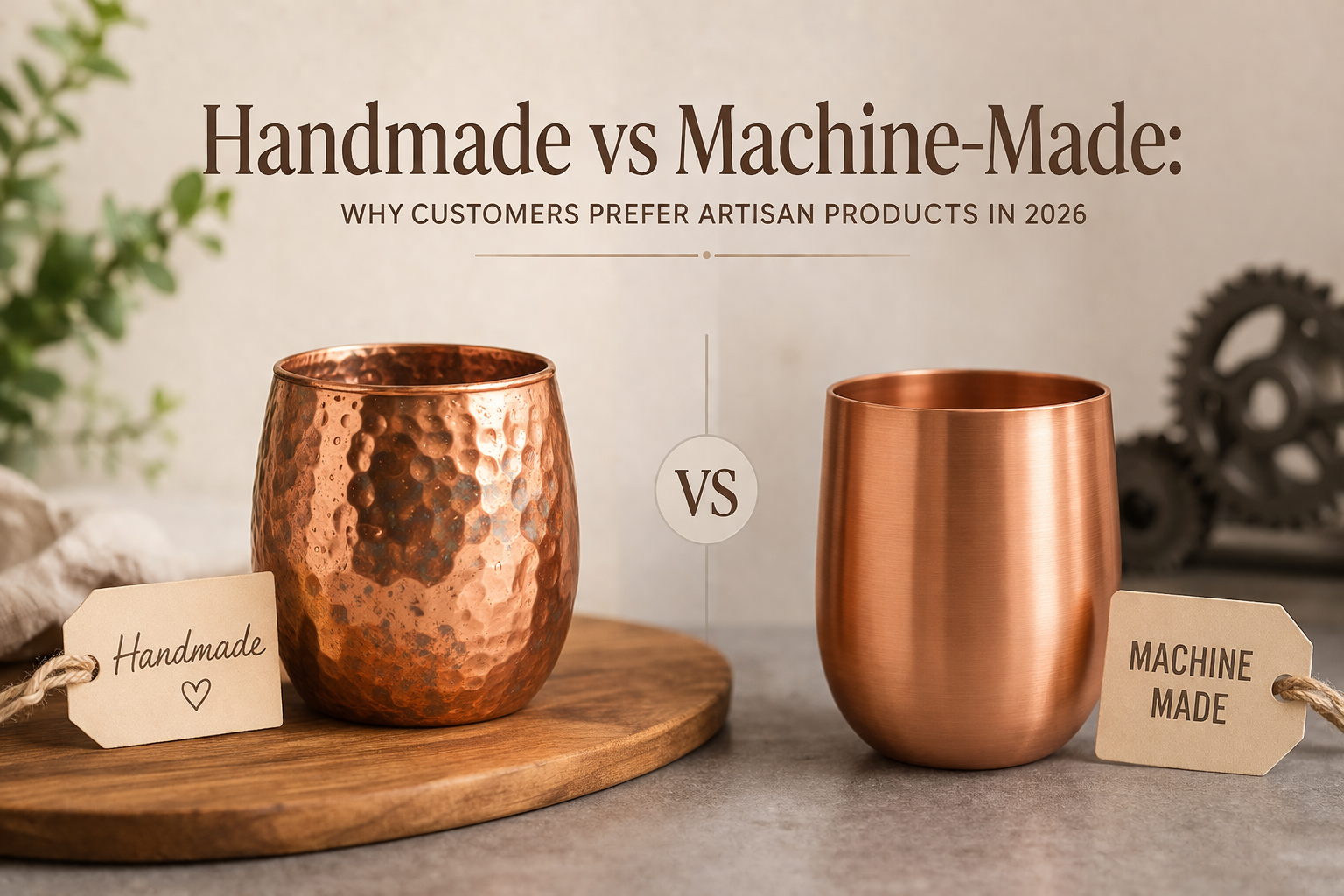
Handmade vs Machine-Made: Why Customers Prefer Artisan Products in 2026
Vaishali Chavan on 16 April, 2026 | No Comments
Introduction
In 2026, consumer behavior is shifting deeply. While mass production and automation continue to dominate industries, a growing number of customers are moving toward handmade, artisan-crafted products. From home décor and clothing to food and gifting items, handmade goods are gaining massive popularity.
But why is this happening in a world driven by AI and machines?
This blog breaks down the real reasons customers prefer handmade products over machine-made goods, along with insights for businesses and marketers to adapt to this trend.
What Are Handmade and Machine-Made Products?
Handmade Products
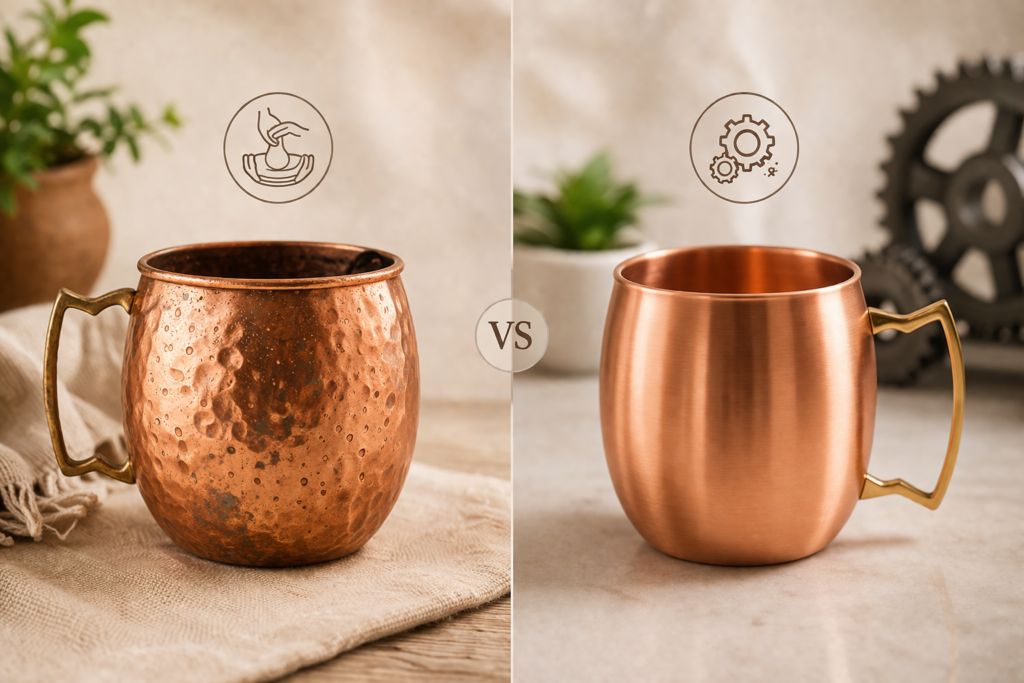
Handmade (artisan) products are created by skilled individuals using traditional methods, tools, and creativity. Each item is unique and reflects craftsmanship.
Examples:
- Handwoven textiles
- Handmade jewelry
- Custom furniture
- Organic soaps
Machine-Made Products
Machine-made products are mass-produced using automated processes, ensuring uniformity and scalability.
Examples:
- Factory-made clothing
- Plastic goods
- Assembly-line furniture
- Packaged consumer items
Key Differences Between Handmade vs Machine-Made
| Factor | Handmade Products | Machine-Made Products |
| Quality | High attention to detail | Consistent but generic |
| Uniqueness | One-of-a-kind | Identical copies |
| Production Speed | Slow | Fast |
| Cost | Higher | Affordable |
| Emotional Value | High | Low |
| Sustainability | Often eco-friendly | Can be resource-intensive |
Why Customers Prefer Handmade Products in 2026
1. Demand for Authenticity
Modern consumers are tired of mass-produced, identical products. Handmade goods offer authenticity and originality, making customers feel they own something special.
People want products with a story, not just a barcode.
2. Emotional Connection & Personalization
Handmade items create a deeper emotional bond. Whether it’s a handcrafted gift or custom décor, customers value:
- Personal touch
- Customization options
- Meaningful purchases
This is especially important in gifting and lifestyle purchases.
3. Sustainability & Eco-Friendly Choices
Sustainability is no longer optional-it’s a priority in 2026.
Handmade products often:
- Use natural or recycled materials
- Have lower carbon footprints
- Avoid mass industrial waste
Customers are consciously choosing brands that align with eco-friendly values.
4. Superior Craftsmanship & Quality
Unlike machine-made items, handmade products involve:
- Skilled artisans
- Careful detailing
- Higher durability
Customers perceive handmade goods as premium and long-lasting, making them worth the investment.
5. Supporting Local Businesses & Artisans
Consumers today are more socially aware. Buying handmade means:
- Supporting small businesses
- Empowering local communities
- Preserving traditional crafts
This “buy local” mindset is a major buying factor.
6. Unique Identity & Exclusivity
In the age of social media, people want to stand out.
Handmade products offer:
- Limited editions
- Custom designs
- Unique aesthetics
This exclusivity drives higher demand, especially among younger audiences.
7. Rise of Digital Marketplaces for Artisans
Platforms like:
- Etsy
- Instagram Shops
- Local eCommerce websites
have made it easier than ever to discover and buy handmade products.
This accessibility has boosted the artisan economy globally.
Challenges of Handmade Products
While demand is rising, handmade products come with certain limitations:
- Higher price points
- Limited availability
- Longer production time
- Scalability issues for businesses
However, customers are increasingly willing to pay more for value and uniqueness.
Why Machine-Made Products Still Matter
Machine-made products are still essential for:
- Affordable pricing
- Bulk production
- Everyday consumer needs
For example:
- FMCG products
- Electronics
- Industrial goods
The future is not about replacing machines, but balancing both worlds.
Business Insight: What Brands Should Learn in 2026
If you’re running a business, here’s what you should adapt:
1. Highlight Craftsmanship
Show behind-the-scenes processes, artisan stories, and product creation.
2. Focus on Storytelling
Customers don’t just buy products—they buy stories and emotions.
3. Offer Customization
Personalized products increase conversions significantly.
4. Promote Sustainability
Use eco-friendly materials and communicate it clearly.
5. Blend Handmade + Technology
Use AI for marketing, but keep the product human-centered.
Frequently Asked Questions (FAQ,s)
Handmade products are often better in terms of quality, uniqueness, and emotional value, while machine-made products excel in affordability and consistency.
They require skilled labor, time, and high-quality materials, which increases production costs.
Yes, especially in 2026, due to sustainability trends, personalization, and support for local businesses.
Most handmade products use sustainable materials and processes, making them more environmentally friendly.
Scaling is challenging but possible with the right mix of technology, skilled labor, and efficient processes.
Conclusion
The rise of handmade products in 2026 is not just a trend-it’s a shift in consumer mindset. People are choosing quality over quantity, meaning over mass production, and sustainability over convenience.
While machine-made products will always have their place, the growing preference for artisan goods shows that the future belongs to brands that combine human creativity with modern innovation.