

If you’ve ever shopped for copper mugs online, you’ve likely noticed a dramatic variation in prices. Some sets cost £25-£35 while others command £75-£100 or more for similar-looking products. The reason behind this price gap almost always comes down to one critical difference: pure copper versus copper-plated construction.
This distinction matters enormously—not just for your wallet, but for your health, your drinking experience, and the longevity of your investment. Unfortunately, many buyers don’t discover they’ve purchased copper-plated mugs instead of genuine pure copper until weeks or months after their purchase, when the telltale signs of plating wear begin to appear.
In this comprehensive guide, we’ll arm you with everything you need to know to identify pure copper mugs versus copper-plated alternatives, understand why the difference matters, and make confident, informed purchasing decisions every single time.
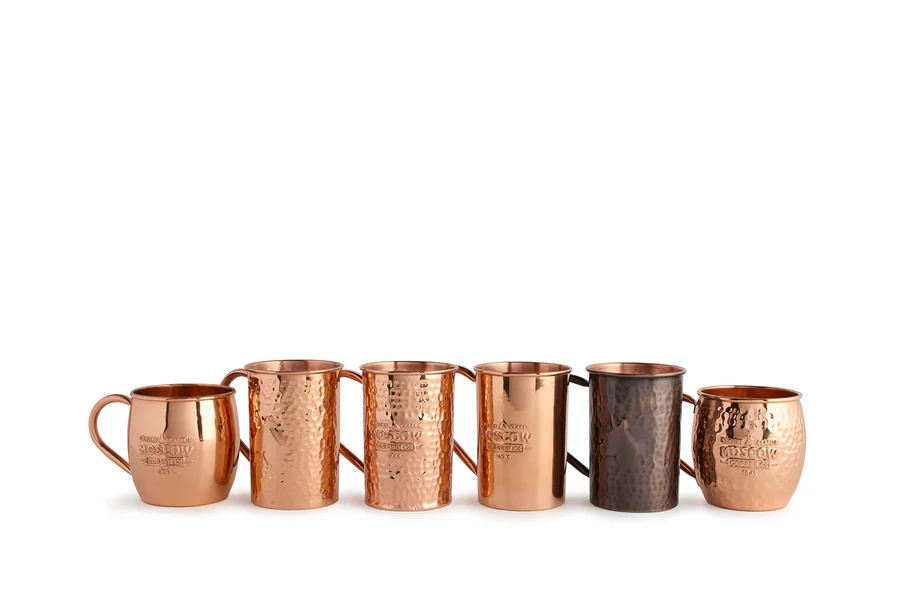
Why This Distinction Matters More Than You Think
Before we dive into identification methods, let’s establish exactly why this matters beyond simply getting what you paid for.
Health Implications
The health benefits associated with copper mugs—antimicrobial properties, digestive support, trace mineral benefits—come specifically from genuine copper. When copper ions are released into water through the natural oligodynamic effect, they provide these documented health advantages.
Copper-plated mugs have an extremely thin layer of copper over a base metal, typically stainless steel, brass, or zinc alloy. This thin plating releases negligible copper ions, meaning you get virtually none of the health benefits that make copper drinking vessels genuinely valuable.
Worse, as the plating wears away—and it will—you may end up drinking from whatever base metal lies underneath. Depending on the manufacturer and their quality standards, this base metal could potentially leach substances you definitely don’t want in your beverages.
Performance Differences
Pure copper’s exceptional thermal conductivity is what keeps your Moscow Mule icy cold for extended periods. The thicker walls of pure copper mugs distribute temperature evenly and efficiently, creating that characteristic frost on the exterior that cocktail enthusiasts love.
Copper-plated mugs, with their thin copper layer over a different base metal, cannot replicate this thermal performance. The base metal dictates the thermal properties, which are typically far inferior to pure copper.
Longevity and Value
A quality pure copper mug, properly maintained, can last decades or even generations. The metal ages beautifully, developing a rich patina that many people find even more attractive than the original polished finish.
Copper-plated mugs have a finite lifespan determined by the thickness of their plating. Once the plating wears through—which can happen within months to years depending on usage and care—the mug is essentially ruined. The exposed base metal looks unsightly, may be unsafe for drinking, and cannot be restored to its original appearance.
When you calculate cost-per-use over the lifetime of each product, pure copper almost always represents better value despite the higher upfront investment.
6 Reliable Tests to Tell Pure Copper from Copper Plated
Test 1: The Magnet Test (Quickest and Most Reliable)
This is the fastest and most definitive home test for identifying pure copper, and it requires nothing more than a simple refrigerator magnet.
How to perform it: Hold a magnet against the side of your copper mug. Move it slowly across different areas of the mug, including the base and handle.
What the results mean: Pure copper is completely non-magnetic. If your magnet slides smoothly across the surface without any attraction whatsoever, you’re looking at pure or high-purity copper. If you feel even the slightest magnetic pull or attraction, the mug contains magnetic metals—almost certainly iron or steel—indicating it’s copper-plated over a ferrous base metal.
Important nuance: Some copper-plated mugs use non-magnetic base metals like zinc alloy or brass. These will also pass the magnet test, so while a magnetic result definitively identifies plating, a non-magnetic result doesn’t automatically confirm pure copper. Use this test in combination with others for certainty.
Reliability: High for detecting steel-based plating, moderate overall
Test 2: Weight and Feel Assessment
Pure copper has a specific density and weight that experienced handlers learn to recognize instantly. Developing this sense requires handling both types, but once you know what to feel for, it becomes second nature.
What to look for: Pure copper mugs feel genuinely substantial and heavy for their size. A standard 400ml pure copper mug typically weighs between 200-280 grams, depending on wall thickness. Pick it up and feel whether the weight feels evenly distributed throughout the walls.
Copper-plated mugs often feel either noticeably lighter (thin stainless steel base) or have an odd weight distribution where the base feels disproportionately heavy compared to the walls. The walls of plated mugs frequently feel thinner and less substantial.
The tap test: Gently tap the side of the mug with your fingernail or a pen. Pure copper produces a distinctive dull, resonant thud—a soft, low-frequency sound. Stainless steel produces a higher-pitched, ringing sound. If your copper mug rings like a bell when tapped, it’s likely stainless steel underneath the plating.
Reliability: Medium-High with practice
Test 3: Visual Inspection of Edges and Wear Points
A careful visual examination can reveal enormous amounts of information about a mug’s construction, particularly when examining areas that experience the most wear and stress.
Where to look:
The rim: Examine the very top edge of the mug carefully, ideally under good lighting or with a magnifying glass. On copper-plated mugs, you can sometimes see the base metal peeking through at the rim, appearing as a different color—silver, grey, or brassy yellow—beneath the copper surface.
The base: Turn the mug upside down and examine the bottom edge where the base meets the sides. This junction point experiences significant stress and is often where plating begins to wear first. Look for any color inconsistencies, silver or grey areas, or bubbling of the surface.
Handle attachment points: Where handles are welded or riveted to the mug body, examine the metal carefully. Plating is often thinner or absent in these stress areas, making base metal more visible.
Inside the mug: Pure copper mugs are either fully copper on the interior or lined with tin or nickel. If you see stainless steel or a bright silver interior that doesn’t look like proper tin lining, the mug is almost certainly copper-plated stainless steel.
Color consistency: Pure copper has a warm, rich reddish-orange color that’s consistent throughout. Copper plating can sometimes appear slightly different in color—either too orange, too yellow, or with an artificial uniformity that lacks the natural variation of genuine copper.
Reliability: High with careful examination
Test 4: The Acid Test Using Vinegar
This test works on the principle that pure copper reacts with acid in a specific, predictable way, while base metals react differently or not at all.
How to perform it: Apply a small drop of white vinegar to an inconspicuous area of the mug, such as the inside base. Leave it for 30-60 seconds, then observe the reaction before wiping clean.
What to look for: Pure copper will show a slight green or blue-green tinge where the acid contacts it. This is because the acid reacts with copper to form copper acetate, which has a characteristic blue-green color. This reaction is harmless and temporary—easily cleaned away.
If the test area shows no reaction, turns black, or reveals a silver or grey color beneath, you’re likely dealing with a different base metal.
Important warning: Perform this test only on an area that won’t be visible during normal use, as it may temporarily mark the surface. Always clean the test area immediately afterward with water and dry thoroughly.
Reliability: Medium-High
Test 5: Price Point Reality Check
While not a physical test, understanding realistic pricing for genuine copper is one of the most practical ways to avoid purchasing copper-plated products mistakenly.
Understanding the economics: Pure copper is a valuable commodity metal with fluctuating but consistently significant market prices. Manufacturing genuine copper mugs requires skilled labor, especially for handcrafted artisan pieces. These costs make it economically impossible to produce and sell genuine pure copper mugs at very low price points.
Price guide for UK market 2026:
Copper-plated mugs: £25-£45 for a set of four. These prices are achievable because the copper content is minimal—just a thin electroplated layer over cheap base metal.
Entry-level pure copper: £55-£70 for a set of four. These are typically machine-manufactured in countries with lower labor costs but use genuine copper throughout.
Mid-range pure copper: £70-£95 for a set of four. Better craftsmanship, thicker copper walls, higher purity levels, and often handmade elements.
Premium artisan pure copper: £95-£150+ for a set of four. Fully handcrafted by skilled artisans, 99.9% pure copper, exceptional finish quality, and often with provenance documentation.
The rule of thumb: If a set of four copper mugs costs less than £50 and claims to be pure copper, be very skeptical. The materials and manufacturing costs alone make this price point nearly impossible for genuine pure copper products.
Reliability: High as supporting evidence alongside physical tests
Test 6: Manufacturer Documentation and Certifications
For online purchases, where physical testing isn’t possible before buying, documentation becomes your primary tool for verification.
What legitimate pure copper sellers provide:
Material specifications: Genuine sellers clearly state the copper purity percentage (99% or 99.9% pure copper) in their product descriptions. Vague terms like “copper-colored,” “copper finish,” or simply “copper” without purity specifications are red flags.
Wall thickness specifications: Quality pure copper mugs specify wall thickness, typically 1.5mm-2mm. This information is irrelevant for copper-plated mugs, so its absence or presence tells you something.
Origin and manufacturing details: Reputable sellers describe where and how their mugs are made. Handcrafted artisan pieces come with information about the craftspeople and their techniques.
Return policies: Sellers confident in their product quality offer generous return policies. Sellers of inferior products often have restrictive return terms.
Customer reviews with photos: Look for customer reviews that include photos showing the mug after months of use. Genuine copper ages distinctively; plated mugs reveal base metal at wear points.
Reliability: Very High when documentation is thorough and verifiable
Visual Guide: What Pure Copper Looks Like vs Copper Plated
Understanding the visual characteristics of each helps you make quick assessments even without performing tests.
Pure Copper Visual Characteristics
Pure copper has a distinctive warm, reddish-orange color that’s unlike any other metal. Fresh pure copper is bright and vivid, almost salmon-pink in certain lights. As it ages, it develops a deeper, richer orange-brown tone. The color has warmth and depth that’s difficult to replicate artificially.
Hammered pure copper shows consistent metal behavior throughout—the hammered dimples deform the metal naturally, creating variations in thickness that are visible in how light plays across the surface. The inside of hammer marks may show slightly different tones than the peaks, reflecting the natural work-hardening of copper.
The natural patina that develops on pure copper over time has a specific appearance: warm golden-brown tones developing first, followed by deeper brown or even greenish areas in recesses and crevices. This aging is uneven and organic-looking, not uniform.
Copper-Plated Visual Characteristics
Copper plating often appears slightly more orange or artificial than genuine copper. The color can look too uniform and perfect, lacking the natural variation of genuine copper.
On older or well-used plated mugs, look for areas where the copper color transitions to silver or grey—this is the base metal showing through worn plating. This most commonly appears at the rim, handle attachment points, and the base edge.
The inside of copper-plated mugs typically looks noticeably different from the outside. You’ll often see bright silver stainless steel, which is distinctly different from the warm copper color outside. While lined copper mugs do have different interior and exterior appearances, the lining should be clearly tin (slightly dull silver with a warm tone) or nickel (bright silver), not the sterile shine of stainless steel.
What Happens When Copper Plating Wears Off
Understanding the deterioration process of copper-plated mugs reinforces why pure copper is the smarter investment.
Early Stage Wear (3-12 months with regular use)
The first signs of plating wear typically appear as subtle color changes at high-stress points: the rim edge, handle attachment points, and base edge. You might notice small silver or grey patches where the copper color has worn away, or areas where the surface appears thinner and less vibrant.
At this stage, the mug may still look acceptable from a distance, but close inspection reveals the beginning of deterioration.
Mid Stage Wear (1-2 years)
More significant areas of base metal become visible. The rim may show consistent silver edging. The base edge may have a clear band of exposed metal. Handle attachment points may show definite copper absence.
The aesthetic appeal diminishes significantly. More concerning, the exposed base metal is now in direct contact with your beverages, potentially leaching metals into your drinks.
Late Stage Wear (2+ years)
By this point, copper-plated mugs typically look unsightly. Large patches of base metal are visible throughout the mug. The original copper appearance exists only in protected recesses and heavily textured areas.
These mugs should be retired from use, as the unknown base metal in direct contact with beverages poses potential health concerns.
Compare this to a pure copper mug of the same age, which would have developed a beautiful, rich patina—still perfectly safe, still fully functional, and arguably more beautiful than when new.
How Reputable Brands Guarantee Copper Purity
When shopping for copper mugs, particularly online, knowing what reputable brands do to assure quality helps you identify trustworthy sellers.
Transparent Material Specifications
Brands like Viviana Lifestyle clearly state copper purity percentages in all product listings. They specify wall thickness, manufacturing origin, and artisan information. This transparency reflects confidence in their product quality and respect for informed consumers.
Artisan Documentation
Premium copper mug makers provide information about the craftspeople who make their products. When artisans hand-hammer each mug individually, the manufacturer has intimate knowledge of every material used. This traceability is impossible with mass-produced copper-plated products from anonymous factories.
Customer Evidence
Look at review photos from verified purchasers who’ve owned their mugs for extended periods. Genuine copper ages beautifully and distinctively—photos of year-old pure copper mugs show rich patina development that’s immediately recognizable and impossible to fake.
After-Sales Support
Brands confident in their pure copper products stand behind them with meaningful guarantees and responsive customer service. If a seller is difficult to contact or dismissive of quality concerns, that’s a significant warning sign.
Making the Right Purchase Decision
Armed with this knowledge, here’s a practical checklist for your next copper mug purchase:
Before buying online:
- Verify purity percentage is explicitly stated (99% or 99.9%)
- Check wall thickness specifications are provided
- Read reviews specifically mentioning long-term use
- Assess price against realistic pure copper costs
- Verify seller has clear contact information and return policy
- Look for artisan or manufacturing origin information
When buying in person:
- Perform the magnet test immediately
- Assess weight and feel carefully
- Examine rim, base edge, and handle points visually
- Tap the mug and listen to the sound
- Ask seller directly about material specifications
Red flags to avoid:
- Price under £50 for a set of four claiming pure copper
- Vague material descriptions without purity percentages
- No information about manufacturing origin
- Listings that emphasize appearance over material specifications
- Sellers who can’t answer specific questions about copper purity
Conclusion: Knowledge Protects Your Investment
The difference between pure copper mugs and copper-plated alternatives is significant in every way that matters: health benefits, performance, longevity, and genuine value for money. While copper-plated mugs might look similar in product photos, they cannot deliver the authentic experience, health advantages, or lasting quality that genuine pure copper provides.
By using the six identification methods covered in this guide—the magnet test, weight assessment, visual inspection, acid test, price evaluation, and documentation review—you’ll never be misled into purchasing copper-plated products when you’re seeking the real thing.
Remember that genuine pure copper is a premium material with inherent costs. When you find copper mugs at premium prices from transparent sellers who provide detailed material specifications, artisan information, and strong customer reviews, you’re looking at the real deal. When prices seem too good to be true for claimed pure copper, they almost certainly are.
Your copper mugs should last for decades and bring you genuine health benefits and exceptional drinking experiences. That’s worth investing in the authentic product from the start.