

For centuries, copper vessels have been revered in traditional medicine systems, particularly in Ayurveda, where drinking water stored in copper containers is considered a powerful health practice. But in our modern age of scientific scrutiny, you might wonder: is it actually good to drink from copper glasses? Does science support these ancient claims, or is it simply tradition without merit?
In this comprehensive guide, we’ll explore the health benefits, potential risks, scientific evidence, and best practices for drinking from copper vessels. Whether you’re considering adding copper glasses to your home or you’re simply curious about this age-old practice, this article will give you everything you need to make an informed decision.
What Happens When Water Touches Copper?
When water is stored in a copper vessel, a natural process occurs where tiny amounts of copper ions dissolve into the water. This process, known as the oligodynamic effect, has been recognized since ancient times, though our ancestors didn’t have the scientific terminology to describe it.
The oligodynamic effect refers to the ability of certain metals, particularly copper and silver, to exert a toxic effect on living cells, microorganisms, and viruses even in relatively small concentrations. When water sits in a copper glass or vessel for several hours, typically overnight, it acquires trace amounts of copper that can provide potential health benefits while also possessing antimicrobial properties.
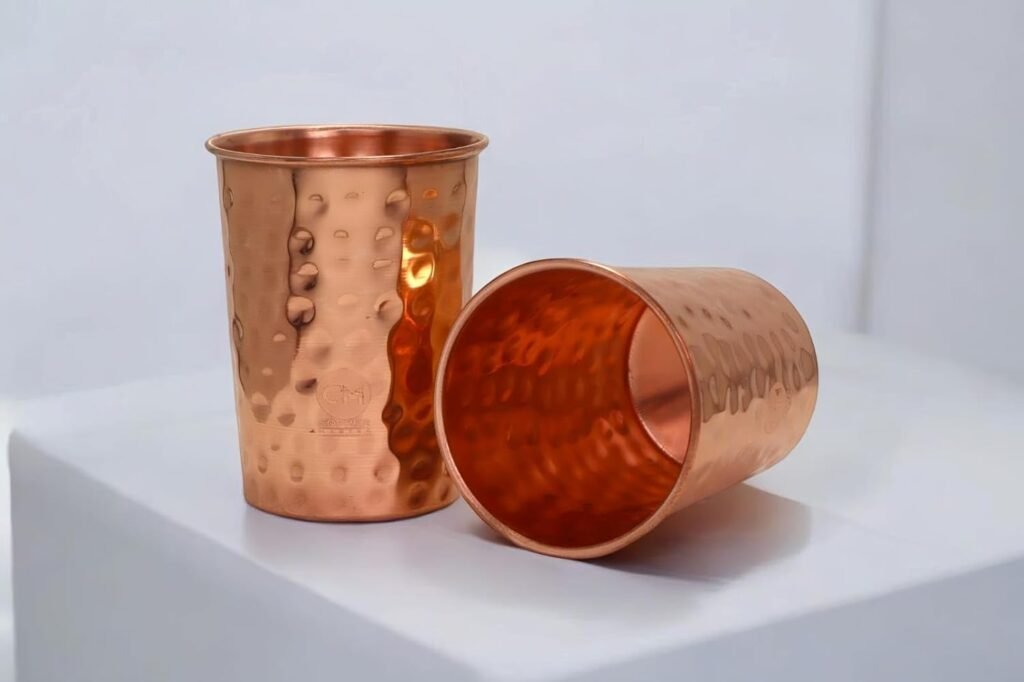
The Science-Backed Benefits of Drinking from Copper Vessels
1. Natural Antimicrobial Properties
One of the most well-documented benefits of copper is its powerful antimicrobial effect. Multiple scientific studies have demonstrated that copper surfaces can kill bacteria, viruses, and fungi.
Research published by the Environmental Protection Agency has shown that copper can eliminate 99.9% of bacteria within two hours of contact. This includes dangerous pathogens like E. coli, Staphylococcus aureus (STAPH), and even certain viruses. A study conducted at the University of Southampton found that copper was effective at destroying MRSA, the antibiotic-resistant superbug.
For drinking water specifically, storing water in copper vessels for 6-8 hours can help purify it naturally, making it safer to consume, especially in areas where water quality might be questionable. This traditional practice gains new relevance in our modern world where waterborne diseases remain a significant health concern globally.
2. Supports Digestive Health
Ayurvedic practitioners have long recommended copper water for improving digestion, and modern research is beginning to validate these claims. Copper has been shown to stimulate peristalsis, the rhythmic contraction and relaxation of the stomach that helps move food through the digestive system.
Additionally, copper has detoxifying properties that help cleanse and detoxify the stomach. It can help kill harmful bacteria in the gut while promoting the growth of beneficial bacteria. Copper also aids in the breakdown of food particles, making nutrients more available for absorption.
Some studies suggest that copper water can help reduce inflammation in the stomach lining, making it potentially beneficial for those dealing with indigestion, ulcers, or infections. The mineral also stimulates the liver and kidneys to better eliminate waste products from the body.
3. Boosts Brain Function
Copper plays a crucial role in the synthesis of myelin, the protective sheath that covers neurons and ensures efficient transmission of electrical impulses in the brain. This makes copper essential for proper brain function and cognitive performance.
Research has shown that copper is involved in the creation of neurotransmitters, the chemical messengers that allow brain cells to communicate with each other. Adequate copper levels support memory, focus, and overall cognitive function.
Some studies have even suggested that copper may have neuroprotective properties, potentially reducing the risk of neurodegenerative diseases, though more research is needed in this area. The key is maintaining optimal copper levels, as both deficiency and excess can impact brain health.
4. Supports Heart Health
Copper is essential for cardiovascular health in multiple ways. It helps regulate blood pressure, heart rate, and cholesterol levels. Studies have found that copper deficiency is associated with increased risk of heart disease, while adequate copper intake supports a healthy cardiovascular system.
Copper helps prevent plaque buildup in the arteries by regulating cholesterol and triglyceride levels. It also strengthens the heart muscle and blood vessels, reducing the risk of cardiovascular complications. The mineral works synergistically with iron to ensure proper red blood cell formation and oxygen delivery throughout the body.
Research published in the American Journal of Clinical Nutrition found that people with higher copper intake had lower rates of coronary heart disease. The mineral’s anti-inflammatory properties also contribute to reduced arterial inflammation, a key factor in heart disease prevention.
5. Anti-Inflammatory and Antioxidant Effects
Copper possesses powerful anti-inflammatory and antioxidant properties that can benefit overall health. The mineral helps neutralize free radicals, unstable molecules that can damage cells and contribute to aging and disease.
For people dealing with inflammatory conditions like arthritis, copper water may provide some relief. Traditional medicine has long used copper bracelets and copper-infused water to reduce joint pain and inflammation, and while scientific evidence is still emerging, many people report positive results.
Copper is a component of several important antioxidant enzymes in the body, including superoxide dismutase (SOD), which protects cells from oxidative damage. This antioxidant activity may contribute to healthier skin, reduced signs of aging, and better overall cellular health.
6. Promotes Healthy Skin
Copper is essential for the production of collagen and elastin, the proteins that give skin its structure, firmness, and elasticity. Adequate copper intake supports skin regeneration and wound healing.
The mineral’s antioxidant properties help protect skin from environmental damage and premature aging caused by UV radiation and pollution. Copper also plays a role in melanin production, the pigment that gives skin its color and protects it from sun damage.
Some skincare products now incorporate copper peptides specifically for their ability to promote collagen production, reduce fine lines, and improve skin texture. While drinking from copper vessels provides systemic benefits rather than topical ones, the overall increase in copper availability can still support skin health from within.
7. Supports Weight Management
While copper water isn’t a magic weight loss solution, it may support healthy weight management as part of a balanced lifestyle. Copper helps break down fat cells and assists the body in eliminating fat more efficiently.
The mineral also plays a role in metabolism regulation, helping the body convert food into usable energy more effectively. By supporting thyroid function and improving digestion, copper contributes to metabolic health, which is crucial for maintaining a healthy weight.
Some traditional practices recommend drinking copper water first thing in the morning on an empty stomach to kickstart metabolism and support detoxification processes.
8. Regulates Thyroid Function
The thyroid gland requires adequate copper to function properly. Copper deficiency has been linked to thyroid dysfunction, including both hypothyroidism and hyperthyroidism.
Copper works in balance with other trace minerals like zinc and selenium to support optimal thyroid hormone production and regulation. The thyroid hormones control metabolism, energy levels, body temperature, and many other vital functions, making adequate copper intake essential for overall hormonal balance.
Potential Risks and Safety Considerations
While drinking from copper vessels offers potential benefits, it’s crucial to understand the safety considerations and potential risks involved.
Copper Toxicity: A Real Concern
The human body needs only trace amounts of copper. The recommended daily intake is approximately 900 micrograms for adults. Excessive copper consumption can lead to copper toxicity, which can cause serious health problems.
Symptoms of copper toxicity include nausea, vomiting, diarrhea, abdominal pain, and in severe cases, liver damage, kidney failure, and even death. While it’s unlikely that drinking from copper vessels in moderation would cause toxicity in healthy individuals, it’s important to be aware of the risks.
People with certain genetic conditions, particularly Wilson’s disease, cannot properly metabolize copper and should avoid drinking from copper vessels entirely. Wilson’s disease causes copper to accumulate in the liver, brain, and other organs, leading to serious health complications.
Quality Matters: Pure Copper vs. Copper-Plated
Not all copper vessels are created equal. For safe drinking, you need pure copper vessels, not copper-plated items. Copper-plated vessels have a thin layer of copper over another metal, usually stainless steel or brass. This plating can wear off, potentially exposing you to other metals or creating uneven copper release.
Look for vessels made from 99.9% pure copper. Some copper vessels are lined with other metals like tin or silver for safety and durability. Tin-lined copper vessels are particularly popular because tin is food-safe and prevents excessive copper leaching while still allowing some beneficial copper transfer.
Acidic Beverages: A Warning
Never use copper vessels for acidic beverages like citrus juices, wine, or carbonated drinks. The acid reacts with copper, causing excessive copper leaching into the liquid, which can lead to copper poisoning.
Copper vessels are best suited for plain water. If you want to add lemon to your water, do so in a glass container, not directly in the copper vessel.
Proper Cleaning and Maintenance
Copper vessels require regular cleaning to prevent tarnishing and buildup. Tarnished copper can affect taste and may indicate oxidation that could alter copper release rates.
Clean copper vessels regularly with natural cleaners like lemon juice and salt, or a paste made from vinegar and salt. Avoid harsh chemical cleaners that might leave residues. After cleaning, rinse thoroughly with water and dry completely to prevent water spots and excessive oxidation.
Never put copper vessels in the dishwasher. The harsh detergents and high heat can damage the copper and potentially create unsafe conditions for drinking.
How to Safely Use Copper Vessels for Drinking
If you decide to incorporate copper vessels into your routine, follow these best practices for safety and maximum benefit:
1. Start Slowly
If you’re new to drinking from copper vessels, start gradually. Begin with one glass of copper water per day and observe how your body responds. Some people may experience mild detoxification symptoms initially as their body adjusts.
2. Follow the Overnight Method
The traditional Ayurvedic practice involves filling a copper vessel with water before bed and letting it sit overnight (typically 6-8 hours). This allows sufficient time for the oligodynamic effect to occur without excessive copper leaching. Drink this water first thing in the morning on an empty stomach for maximum benefit.
3. Limit Consumption
Don’t drink exclusively from copper vessels. Limit your copper water intake to 2-3 glasses per day at most. Drinking all your water from copper vessels could potentially lead to excessive copper intake over time.
4. Use Room Temperature or Cool Water
Always use room temperature or cool water in copper vessels, never hot water. Heat accelerates copper leaching and could result in excessive copper consumption.
5. Listen to Your Body
Pay attention to how you feel when drinking copper water. If you experience any adverse symptoms like nausea, stomach upset, or unusual fatigue, discontinue use and consult a healthcare provider.
6. Store Properly
When not in use, store copper vessels in a dry place. Empty them completely and allow them to air dry to prevent moisture-related issues.
7. Regular Maintenance
Inspect your copper vessels regularly for any signs of damage, excessive wear, or unusual discoloration. Replace vessels that show significant deterioration.
Who Should Avoid Drinking from Copper Vessels?
Certain individuals should avoid drinking from copper vessels or consult with a healthcare provider before doing so:
- People with Wilson’s disease or other copper metabolism disorders
- Those with liver or kidney disease
- Individuals taking medications that interact with copper
- Pregnant or breastfeeding women (consult your doctor first)
- People with copper allergies or sensitivities
- Anyone already taking copper supplements
The Verdict: Is It Good to Drink from Copper Glasses?
Based on available scientific evidence and traditional wisdom, drinking from copper vessels can offer health benefits when done correctly and in moderation. The antimicrobial properties are well-documented, and the potential digestive, cardiovascular, and cognitive benefits align with copper’s known roles in human physiology.
However, the key word is moderation. Copper water should be part of a balanced approach to hydration and health, not your exclusive water source. Quality matters immensely, proper usage is essential, and individual health status must be considered.
For most healthy adults, drinking one to two glasses of water that has been stored overnight in a pure copper vessel is unlikely to cause harm and may provide beneficial trace amounts of this essential mineral. The practice connects us to ancient wellness traditions while potentially offering real health advantages supported by modern science.
If you’re intrigued by the potential benefits, start with a high-quality, pure copper vessel, follow the safety guidelines outlined above, and pay attention to your body’s response. As with any health practice, if you have underlying health conditions or concerns, consult with a healthcare professional before making copper water a regular part of your routine.
The beauty of copper vessels lies not just in their potential health benefits, but in the mindful ritual they create. Taking time each evening to fill your copper glass with water, allowing it to sit overnight, and beginning your day with this intentional act of self-care can be as beneficial as the copper itself. In our fast-paced world, these small rituals that connect us to ancient wisdom while supporting modern wellness goals offer value that extends beyond any single nutrient or mineral.