

When it comes to choosing metallic finishes for your home, few decisions spark as much debate as copper versus brass. Both metals bring warmth, character, and timeless elegance to interior spaces, yet they offer distinctly different aesthetics and practical benefits. If you’re standing in a homeware shop or scrolling through online collections, wondering which metal deserves a place in your home, you’re not alone.
This question has become increasingly common as UK homeowners embrace the return of warm metallics in 2026’s interior design trends. After years of cool chrome and stainless steel domination, designers and homeowners alike are rediscovering the rich, inviting qualities of copper and brass. But which one should you choose?
In this comprehensive guide, we’ll explore everything you need to know about copper and brass for home décor, from their visual characteristics and practical properties to maintenance requirements and style versatility. Whether you’re furnishing a new home, refreshing your existing space, or searching for the perfect statement pieces, you’ll finish this article with absolute clarity on which metal suits your lifestyle, aesthetic, and budget.
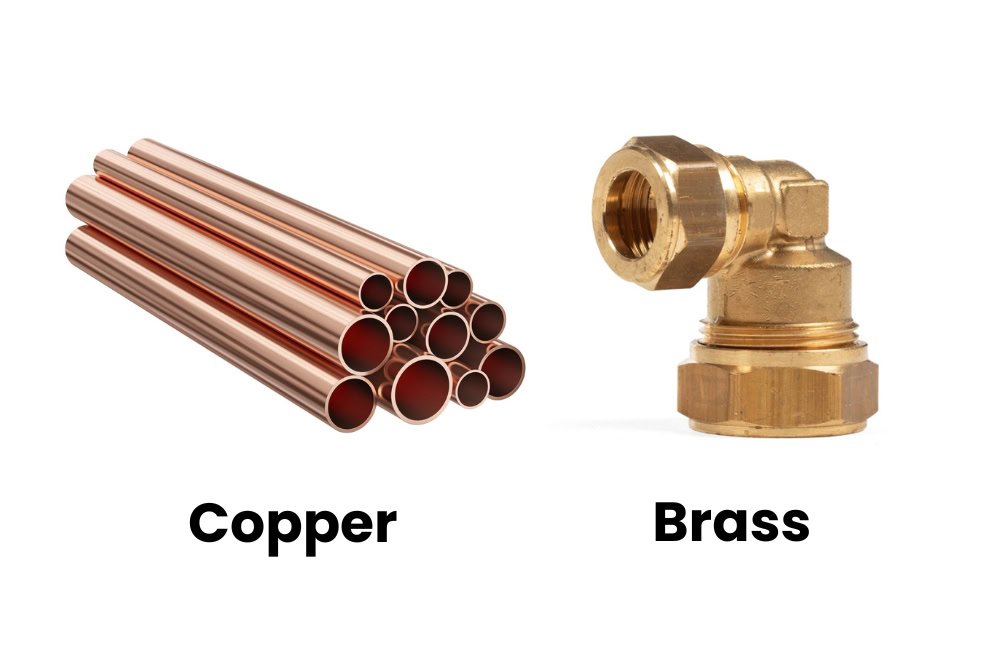
Understanding the Basics: What Are Copper and Brass?
Before we dive into comparisons, let’s establish exactly what we’re talking about.
Copper: Pure Elemental Beauty
Copper is a pure element—a single metal found naturally in the earth. It’s been used by humans for over 10,000 years, making it one of the oldest metals in continuous use. The distinctive reddish-orange colour that gives copper its unmistakable appearance is entirely natural, requiring no mixing or treatment.
Pure copper is soft, highly malleable, and exceptionally conductive. These properties make it ideal not just for decorative purposes but also for plumbing, electrical wiring, and cookware. When you purchase pure copper homeware, you’re getting 99.9% elemental copper with no other metals mixed in.
Brass: The Golden Alloy
Brass, by contrast, is an alloy—a mixture of copper and zinc in varying proportions. The ratio of these two metals determines brass’s exact colour and properties. Typically, brass contains 60-70% copper and 30-40% zinc, though these percentages can vary.
The zinc content gives brass its characteristic golden-yellow colour, harder surface than pure copper, and different working properties. Because it’s an alloy, brass can be formulated in different ways to achieve specific colours, strengths, and characteristics for different applications.
Understanding this fundamental difference—pure element versus alloy—is crucial because it influences everything from appearance and durability to price and maintenance requirements.
Visual Comparison: Colour, Finish, and Aesthetic Appeal
The most immediately noticeable difference between copper and brass is their appearance.
Copper’s Distinctive Warmth
Fresh, polished copper displays a vibrant reddish-orange hue that’s unlike any other metal. It’s warm, rich, and unmistakably eye-catching. In certain lights, copper can appear almost salmon-pink or take on deeper brown-orange tones. This natural colour variation is part of copper’s charm—no two pieces look exactly identical.
Copper comes in several finish styles:
Polished copper gleams with a mirror-like shine, reflecting light beautifully and creating dramatic visual impact. This finish works brilliantly in contemporary spaces where you want metallic elements to really pop.
Hammered copper features a textured surface created by hand or machine hammering. This finish catches light differently across its varied surface, creating depth and visual interest. It’s particularly popular for Moscow Mule mugs and traditional homeware.
Brushed copper has a subtle, matte texture that’s more understated than polished finishes. It shows fewer fingerprints and fits well in both modern and rustic settings.
Antique or oxidized copper develops a darker, brownish patina deliberately. This aged appearance suits vintage, industrial, or bohemian interiors perfectly.
Brass’s Golden Elegance
Brass presents a completely different visual profile. Its colour ranges from pale champagne gold to deeper, richer golden tones depending on the copper-to-zinc ratio. Generally, brass appears more yellow than copper, with a colour reminiscent of gold but distinctly its own.
Like copper, brass comes in various finishes:
Polished brass delivers that classic, gleaming golden appearance associated with traditional décor, antique fixtures, and luxury finishes. It’s instantly recognizable and brings instant sophistication.
Brushed brass offers a softer, more contemporary take on the golden metal. The matte texture feels modern while retaining brass’s inherent warmth.
Aged or antique brass develops a darker, sometimes greenish patina over time, creating a vintage aesthetic that’s highly sought after for period properties and classic interiors.
Unlacquered brass naturally tarnishes and ages, developing character over time. This living finish appeals to those who appreciate materials that tell a story.
How They Age: The Patina Factor
Perhaps the most significant visual difference emerges over time. Both metals develop patina—a surface layer that forms through oxidation—but the process and results differ dramatically.
Copper’s patina progresses through several stages. Initially, freshly polished copper may develop a warm golden-brown tone. Over months or years, it can transition to deeper browns and eventually develop the famous green-blue verdigris patina seen on old copper roofs and the Statue of Liberty. This aging process is entirely natural and can be beautiful, though not everyone appreciates it.
Brass’s patina typically darkens to deeper brown or develops a greenish tinge in humid environments. The patina is generally less dramatic than copper’s and progresses more slowly due to the zinc content.
The key difference? Copper’s patina is often celebrated and deliberately cultivated, while brass patina is more commonly prevented through lacquering or regular polishing.
Practical Properties: Durability, Functionality, and Performance
Beyond aesthetics, copper and brass perform differently in practical applications.
Durability and Hardness
Brass is harder than copper. The addition of zinc makes brass more resistant to scratching, denting, and general wear. For items that see heavy use—drawer pulls, door handles, taps, or barware that gets knocked about—brass’s superior hardness offers real advantages.
Copper is softer, which makes it more prone to dents and scratches. However, this softness also makes copper easier to work with for artisans, resulting in more intricate hand-hammered patterns and detailed craftsmanship. Many people find that the character marks copper develops over time add to its charm rather than detracting from its appeal.
For homeware like Moscow Mule mugs, decorative bowls, or wall art, copper’s softness isn’t a significant disadvantage. For high-traffic fixtures like stair railings or heavily-used kitchen hardware, brass’s durability might be preferable.
Antimicrobial Properties
Here’s where copper pulls significantly ahead: pure copper possesses proven antimicrobial properties that brass simply cannot match to the same degree.
Extensive scientific research has demonstrated that copper surfaces kill 99.9% of bacteria within hours of contact. This oligodynamic effect makes copper particularly valuable for items that touch food or beverages, like drinkware, cookware, and serving pieces.
Studies conducted by the Environmental Protection Agency and various universities have confirmed that copper destroys harmful pathogens, including E. coli, MRSA, and even certain viruses. Hospitals increasingly use copper touch surfaces for door handles and bed rails specifically because of these antimicrobial benefits.
Brass contains copper and therefore retains some antimicrobial properties, but they’re significantly diluted by the zinc content. The higher the zinc percentage, the less effective the antimicrobial action becomes. For this reason, if antimicrobial properties matter to you—particularly for drinkware or food-related items—pure copper is the clear winner.
Thermal Conductivity
Copper is one of the best thermal conductors among all metals, second only to silver. This exceptional heat transfer ability makes copper ideal for:
- Cookware: Heat distributes evenly, preventing hot spots
- Drinkware: Copper mugs keep cold drinks colder longer and hot drinks hotter
- Kettles: Water heats quickly and efficiently
This is precisely why Moscow Mule cocktails traditionally come in copper mugs—the metal rapidly absorbs the drink’s cold temperature and maintains it far longer than glass or stainless steel ever could.
Brass has significantly lower thermal conductivity due to the zinc content. While still better than stainless steel, brass doesn’t match copper’s performance for temperature-sensitive applications.
If you’re choosing drinkware, cookware, or items where temperature matters, copper’s superior conductivity offers genuine functional benefits beyond mere aesthetics.
Corrosion Resistance
Both metals develop protective patinas that actually prevent deeper corrosion, but they behave differently in various environments.
Copper resists corrosion well in most environments. The patina that forms actually protects the metal beneath from further oxidation. However, copper reacts with acidic substances, which is why copper cookware often features tin or stainless steel linings.
Brass is generally more corrosion-resistant than pure copper, particularly in marine or high-moisture environments. The zinc content provides additional protection against certain types of corrosion. This makes brass particularly suitable for outdoor hardware, bathroom fixtures, and coastal properties.
Maintenance and Care: What to Expect
Your willingness to maintain your metallic pieces should heavily influence your choice between copper and brass.
Caring for Copper
Copper requires more maintenance if you want to maintain that brilliant, polished appearance. The metal tarnishes relatively quickly when exposed to air and moisture, developing that darker patina we discussed.
If you love polished copper:
- Expect to clean and polish pieces every 1-2 weeks
- Use natural cleaners like lemon and salt, vinegar and salt, or commercial copper polish
- Hand-wash only—never put pure copper in the dishwasher
- Dry immediately after washing to prevent water spots
- Store in dry locations away from humidity
If you embrace natural patina:
- Minimal maintenance required
- Occasional washing with mild soap and water
- Allow the copper to age naturally for character
- Polish only when you feel like refreshing the appearance
The choice between maintaining shine versus allowing natural aging is entirely personal. Many copper enthusiasts love the living finish that changes over time, seeing it as part of the metal’s story and charm.
Caring for Brass
Brass typically requires less frequent maintenance than copper, particularly if it’s lacquered (most commercial brass items are).
Lacquered brass:
- Simply wipe clean with damp cloth
- No polishing required
- The lacquer prevents tarnishing
- Eventually lacquer may wear off, requiring reapplication or removal
Unlacquered brass:
- Will tarnish like copper but more slowly
- Polish every 2-4 weeks for bright appearance
- Use brass-specific cleaners or the same natural methods as copper
- Can be left to develop antique patina if preferred
Generally, brass is seen as the lower-maintenance option, especially when lacquered. If you want metallic warmth without regular polishing commitments, brass might suit your lifestyle better.
Health and Wellness Benefits: The Copper Advantage
If you’re drawn to metallic homeware partly for wellness reasons—particularly for drinkware—copper offers unique benefits that brass cannot replicate.
Ayurvedic Tradition
Copper has been central to Ayurvedic medicine for thousands of years. The practice of storing water in copper vessels overnight and drinking it first thing in the morning (called “Tamra Jal”) remains popular across India and increasingly in wellness communities worldwide.
Traditional Ayurvedic texts attribute numerous health benefits to copper water, from improved digestion and detoxification to enhanced brain function and skin health. Modern scientific research is beginning to validate many of these traditional claims.
Brass has no equivalent wellness tradition. As an alloy, it doesn’t feature in traditional medicine systems and lacks the purity associated with therapeutic use of metals.
Drinking Water Benefits
Multiple studies have confirmed that water stored in pure copper vessels acquires beneficial trace amounts of copper ions. These provide:
- Natural water purification (kills bacteria and pathogens)
- Essential mineral supplementation (copper is a vital trace mineral)
- Potential digestive support
- Immune system benefits
- Antioxidant properties through copper enzyme production
For drinkware specifically—Moscow Mule mugs, tumblers, water bottles—pure copper is unquestionably superior from both a health and functional perspective. The antimicrobial properties, thermal conductivity, and trace mineral benefits simply don’t exist with brass alternatives.
If you’re investing in copper mugs partly for the Moscow Mule experience but also for the wellness dimension of drinking from copper, don’t compromise by choosing brass. The health benefits come specifically from pure copper.
Style and Interior Design: Which Metal Suits Your Space?
Both metals bring warmth to interiors, but they suit different design aesthetics and colour palettes.
Copper in Interior Design
Copper’s distinctive reddish-orange tone pairs beautifully with:
Colour schemes:
- Navy blue and copper (sophisticated, modern)
- Emerald green and copper (luxurious, jewel-toned)
- Grey and copper (contemporary, balanced)
- White and copper (clean, Scandi-inspired)
- Black and copper (dramatic, industrial)
- Blush pink and copper (soft, romantic)
Interior styles:
- Industrial: Copper’s raw, metallic quality suits exposed brick, concrete, and urban lofts perfectly
- Rustic: Aged copper complements wood, stone, and natural materials
- Bohemian: Copper’s warmth works with textiles, patterns, and eclectic collections
- Contemporary: Polished copper provides striking metallic accents in minimalist spaces
- Art Deco: Copper’s glamorous shine fits the period’s love of metallics
Copper makes a bolder statement than brass. It’s more visually distinctive and tends to become a focal point rather than quietly blending in.
Brass in Interior Design
Brass’s golden tones coordinate with:
Colour schemes:
- Navy and brass (classic, nautical)
- Sage green and brass (elegant, traditional)
- Burgundy and brass (rich, heritage)
- Cream and brass (warm, sophisticated)
- Black and brass (luxurious, Art Deco)
Interior styles:
- Traditional: Brass suits period properties, particularly Georgian and Victorian homes
- Mid-century modern: Brass fixtures were hallmarks of 1950s-60s design
- Art Deco: Brass’s golden warmth epitomizes the era’s glamour
- Transitional: Brass bridges traditional and contemporary successfully
- Classic: Brass hardware and fixtures never truly go out of style
Brass tends to be more versatile and less attention-grabbing than copper. It integrates into existing schemes more easily, particularly in traditional or transitional spaces.
Mixing Metals: Can You Use Both?
The short answer: absolutely! Modern interior design embraces mixed metallics, and copper and brass can coexist beautifully in the same space.
Tips for successfully mixing copper and brass:
- Ensure one metal dominates (70-80%) with the other as accent (20-30%)
- Distribute both metals throughout the space rather than clustering
- Use them in different functions (e.g., brass lighting, copper accessories)
- Choose similar finish levels (both polished or both aged)
- Unite them through complementary colours in fabrics and furnishings
The key is intentionality. Mixed metallics should look deliberately curated, not accidentally mismatched.
Price Comparison: Investment and Value
Budget considerations often influence the copper versus brass decision, though the price difference isn’t as significant as you might expect.
Raw Material Costs
Pure copper is generally more expensive than brass as a raw material because it’s a pure element requiring no mixing or additional processing. However, the price gap fluctuates with commodity markets.
Brass is slightly cheaper to produce because zinc costs less than copper, and the alloy requires less pure copper overall.
In reality, for homeware and décor, the difference in material cost is often negligible compared to other factors like craftsmanship, brand, and finish quality.
Crafted Homeware Pricing
For handcrafted items like Moscow Mule mugs, bowls, or decorative pieces:
Pure copper items typically cost 10-30% more than equivalent brass pieces due to:
- Higher raw material cost
- More skilled labor required (copper’s softness demands expertise)
- Premium positioning in the market
- Health and wellness associations
Example price comparison for UK market 2026:
- Pure copper Moscow Mule mug set (4): £75-£120
- Brass Moscow Mule mug set (4): £55-£95
- Pure copper decorative bowl: £35-£60
- Brass decorative bowl: £25-£50
However, these differences narrow significantly when comparing artisan-made pieces where craftsmanship dominates pricing.
Long-Term Value
When considering long-term value:
Copper’s advantages:
- Retains value well due to metal content
- Can last centuries with proper care
- Antimicrobial properties provide ongoing functional value
- Develops beautiful patina that many find increasingly attractive
Brass’s advantages:
- Lower initial investment
- Durability means less replacement
- Timeless aesthetic ensures it never looks dated
- Lacquered versions require less maintenance time/cost
For items you’ll use daily—particularly drinkware—copper’s superior performance justifies the modest price premium. For purely decorative items or hardware, brass offers excellent value.
Environmental Considerations: Sustainability and Ethics
In 2026, the environmental impact of our purchasing decisions matters more than ever. Both metals score well on sustainability, but with some differences worth noting.
Recyclability
Both copper and brass are infinitely recyclable without any loss of quality. This is a significant environmental advantage over many other materials.
Copper recycling is highly developed globally. Approximately 80% of all copper ever mined is still in use today, recycled and repurposed repeatedly. Choosing copper products, particularly from brands using recycled copper, is genuinely eco-friendly.
Brass is equally recyclable, and because it’s less valuable than pure copper, it’s actually recycled at even higher rates. Old brass fittings, instruments, and hardware are routinely melted down and reformed.
Durability and Longevity
The most sustainable product is one you never need to replace. Both copper and brass excel here:
- Well-made copper items can last 50-100+ years
- Brass fixtures and hardware routinely survive 100+ years in buildings
- Neither metal degrades or becomes unsafe with age
- Both can be refinished rather than replaced if appearance concerns arise
Contrast this with cheap alternatives that need replacing every few years, and both copper and brass emerge as environmentally responsible choices.
Sourcing and Production
Copper mining has environmental impacts including habitat disruption and water usage. However, increasing proportions of copper come from recycled sources, reducing mining dependency.
Brass production requires both copper and zinc mining, but typically uses recycled metals extensively due to economic incentives.
When purchasing either metal, look for:
- Brands using recycled metals
- Ethical sourcing certifications
- Fair trade practices supporting artisan communities
- Local or regional production reducing transport emissions
The Verdict: Copper or Brass for Your UK Home?
After exploring every dimension of this decision, here’s our definitive guidance on which metal suits different needs:
Choose Copper If You:
✅ Want genuine health benefits from drinkware and water storage
✅ Love bold, distinctive metallic accents that make statements
✅ Appreciate living finishes that develop character over time
✅ Value superior thermal performance for beverages or cookware
✅ Are drawn to Ayurvedic and wellness traditions
✅ Don’t mind regular maintenance to keep polished shine
✅ Prefer industrial, contemporary, or bohemian aesthetics
✅ Want proven antimicrobial properties for food and drink items
Best copper purchases for UK homes:
- Moscow Mule mugs and cocktail drinkware
- Water bottles and tumblers for wellness use
- Decorative bowls and vases as statement pieces
- Cookware for serious home cooks
- Pendant lighting for dramatic focal points
Choose Brass If You:
✅ Prefer classic, timeless golden tones that suit traditional spaces
✅ Want lower-maintenance metallic finishes (especially lacquered)
✅ Need maximum durability for high-use hardware and fixtures
✅ Live in period property where brass suits the architecture
✅ Like versatile neutrals that blend with existing décor
✅ Prioritize budget while still getting quality metal
✅ Appreciate understated elegance over bold statements
✅ Want outdoor or bathroom fixtures needing corrosion resistance
Best brass purchases for UK homes:
- Door handles, cabinet pulls, and hardware
- Bathroom fixtures and taps
- Picture frames and mirrors
- Candlesticks and decorative accents
- Lighting fixtures, especially traditional styles
The Hybrid Approach: Best of Both Worlds
Many UK homes successfully incorporate both metals:
Living areas: Copper accessories (bowls, vases, decorative objects) with brass picture frames and lighting
Kitchen: Copper cookware and Moscow Mule mugs with brass cabinet hardware
Bathroom: Brass fixtures and taps with copper decorative accents
Bedroom: Brass bed frames or lighting with copper decorative pieces
The key is maintaining 70/30 or 80/20 ratios and ensuring finishes complement each other.
Why We Recommend Copper for Drinkware Every Time
While both metals have their place in a well-designed UK home, when it comes specifically to drinkware and vessels for beverages, copper is unequivocally superior to brass:
1. Authentic health benefits – Only pure copper provides antimicrobial properties and trace mineral supplementation
2. Superior performance – Copper’s thermal conductivity creates genuinely better drinking experiences for both hot and cold beverages
3. Traditional authenticity – Moscow Mules, Mint Juleps, and other classic cocktails were created for copper specifically
4. Ayurvedic wellness – Thousands of years of traditional medicine support copper water vessels, not brass
5. Safety for consumption – Pure copper is food-safe; brass alloys may contain varying metals that shouldn’t contact acidic beverages
6. Investment value – The modest price premium for copper drinkware pays dividends in performance and longevity
If you’re purchasing Moscow Mule mugs, water tumblers, cocktail cups, or any drinking vessel, don’t compromise with brass alternatives. The functional and health advantages of pure copper are too significant to overlook for a minor cost saving.
Making Your Purchase: What to Look For
Whether you choose copper or brass, ensure you’re getting genuine quality:
For Copper Products:
✅ Verify purity: Look for “99.9% pure copper” or “100% copper”
✅ Check thickness: Quality pieces use 1.5-2mm thick copper
✅ Examine craftsmanship: Smooth interiors, secure handles, even finishing
✅ Avoid plating: Ensure it’s solid copper, not copper-plated steel
✅ Research sellers: Choose brands transparent about sourcing and manufacturing
For Brass Products:
✅ Understand composition: Quality brass is typically 60-70% copper
✅ Check finish: Decide between lacquered (low-maintenance) and unlacquered (natural aging)
✅ Assess weight: Solid brass feels substantial; avoid hollow or thin pieces
✅ Test quality: Quality brass shouldn’t feel cheap or lightweight
✅ Verify solid brass: Avoid brass-plated alternatives
Conclusion: The Right Metal for Your Right Now
The copper versus brass decision ultimately comes down to your specific needs, aesthetic preferences, and how you’ll actually use the items in your daily life.
For decorative pieces and hardware, both metals offer timeless beauty and excellent longevity. Your choice should be guided by your interior style, existing décor, and the specific visual effect you want to achieve. Traditional homes often suit brass naturally, while contemporary and industrial spaces make copper shine.
For functional items—especially drinkware and food-related vessels—copper is the clear winner. The combination of proven health benefits, superior thermal performance, antimicrobial properties, and authentic traditional usage makes pure copper the intelligent choice for Moscow Mule mugs, water bottles, tumblers, and cocktail accessories.
Both metals represent sustainable, long-lasting investments that will serve your home beautifully for decades. In a world of disposable goods and passing trends, choosing quality copper or brass pieces means investing in items that become more beautiful with age, develop character over time, and potentially become treasured heirlooms passed down through generations.
The warm glow of either metal brings life, depth, and sophistication to UK homes in 2026. Whether you choose copper’s bold reddish-orange or brass’s classic golden tones or thoughtfully incorporate both you’re adding timeless metallic beauty that transcends fleeting design fads.
Ready to bring the warm elegance of copper into your home? Explore handcrafted, pure-copper collections that blend traditional artisan techniques with contemporary design. Your perfect copper piece is waiting to transform your space.